

Make the Most of Nets by Balancing Technique with Other Skills
 Judging by the volume of questions we get here at PitchVision, you love technique more than any other aspect of cricket. And you're right. Technique is crucial.
PV/VIDEO Weekly Highlights: Unusual to Say the Least

Welcome to the PV/VIDEO Digest, your highlights summary of the weeks best videos from PitchVision Interactive
You can share these videos by email or onto facebook, and post your comments right here: From serious analysis to Friday fun. Here are the top videos uploaded from PitchVision systems around the world this week.
How to Captain: Placing the Fielders
This is part three of a series on how to captain in the field. To go to part one click here. To go back to the introduction click here.
Along with bowling changes, field placing is the other obvious part of captaincy in the field.
The simple way to look at it is to put the fielders where you think the ball is most likely to go (not always just where it has gone).
How do you do that without resorting to the stock fields that everyone uses?
Before we get into that, a word about orthodox fields: They are orthodox because they have been proven to work over the test of time. Slips remain in place because batsmen through the ages continue to edge the ball wide of the wicketkeeper. Mid on and mid off exist because even the most extreme Twenty20 specialists play shots with a straight bat sometimes.
That said it's important not to mindlessly follow what you consider the norm. Just because every captain in your club starts the game with a couple of slips, a gulley and a saving one field it does not mean you should.
For the basic theory of field placing take a look at my article here.
Once you have that in your mind, let's go back to the basic aim of field placing: Putting your players where you think the ball will go.
Wrist Spin Variations
This is a guest article from Harry Shapiro
Because of the nature of the delivery there are several variations that the wrist spinner can use by changing the position of his wrist.
How to Have Batting Practice During Bowling Drills
Can you help batsmen during a bowling drill?
You can! Watch the video below to see how:
If you can't see the video, click here.
In this video we use PitchVision's unique and simple analysis tool to work with bowlers during a "live" session then help batsmen with technical issues. Not bad compared to a bowling machine huh?
Improve Your Bowling Accuracy With the Right Focus
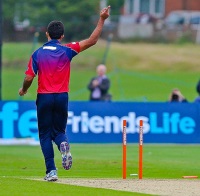 Target bowling is one of the most used drills by bowlers to improve accuracy: Lay cones on a length, try to hit them, track you progress.
However, an often overlooked aspect of target practice is where you focus.
There are many options, but when the coach tells you to "look where you want the ball to pitch" he or she is not giving you the whole story.
Advanced Target Practice for Bowlers: PV/ONE Drill
Target bowling for cricket is a good practice that has several problems. All can be overcome with the drill in this video.
Click below to view:
If you can't see the video, click here.
Using PitchVision, bowlers can bowl in nets at a target with a batsmen to put them off and no visual cues. This is far more realistic.
Six Shortcuts for Becoming an Excellent Batsman in Record Time
You’re impatient. You want success and you want it fast.
But batting is frustrating: You lack opportunities to practice and play in ways that help you improve. Even when you do get your chance you get a great ball first up and have to wait a week for another bat.
So here are six ways you can make to most of the chances you have and get ahead of the crowd to become a top-quality batsman in as short a time as possible.
1. Keep it Simple
Batting styles differ wildly, but one thing remains simple and true: Classy bastmen are world-class in the basics.
- They have a setup that keeps their head still, eyes level and move to the ball in good alignment.
- They are ready and focused on the ball as it is released.
- They have confidence in their game-plan.
So the first thing you need to look at is your setup, backswing and initial movement. Most people think they have it licked.
Spend time in the nets and be totally sure about it. Get someone to watch it or video yourself.
Where is you backlift going?
Are your eyes level?
Is your trigger move keeping you aligned?
To help, here is a worksheet to download and take to nets. Use deliberate practice and that sheet to start making a super quick difference.
Slay the Dragon: Seven Cricket Myths That Need to Die
 I really hope a dragon slayer destroys these cricket myths soon.
They are dragons that stop perfectly decent players doing a good job. Instead of a focus on the powerful things we can do to improve our game, we cower, afraid of the excuse dragons. It's time to go out with swords of truth to hunt every one down.
If you have ever said - or thought - any of the following it's OK to admit it. We all have at some point. This is a place where we can start again and get to the slaying.
So let's slay these dragons:
A Simple Tip for Improving Leg Side Takes for Wicketkeepers
Inspired by Mark Garaway's standing up drills, I did some work with some wicketkeepers on standing up to seamers.
We duly set up a drill with a bowling machine to work on leg side takes.
The machine was previously set up for right arm over, pitching on off stump, so rather than adjust the machine we:
